Projects
A selection of projects across embedded systems, data engineering, and applied AI.
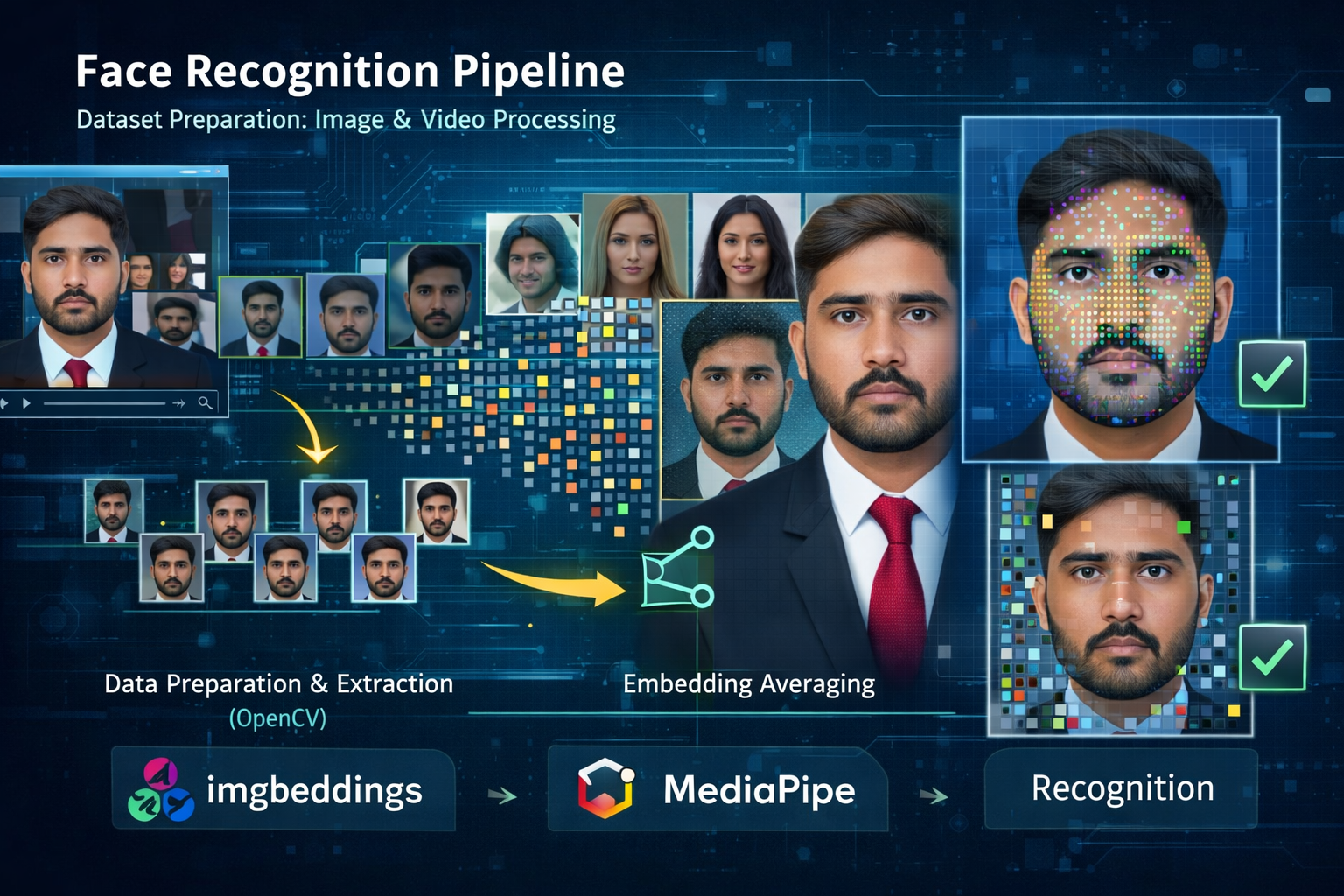
Face Recognition Pipeline (Dataset Preparation, Image & Video Processing)
Built an end-to-end face recognition system combining embedding-based and landmark/mesh-based approaches.
I created a custom dataset by extracting image frames from the NVIDIA “Avatar Fingerprinting” video dataset
and organizing them per identity. Using OpenCV, I automated frame extraction and preprocessing, generated
per-frame feature embeddings, and averaged them to create a stable identity embedding per person. Recognition
was then performed by matching query faces (from images or video streams) against the stored identity embeddings.
In parallel, I implemented an alternative recognition method using MediaPipe Face Mesh to evaluate mesh-based
features under pose and illumination variations.
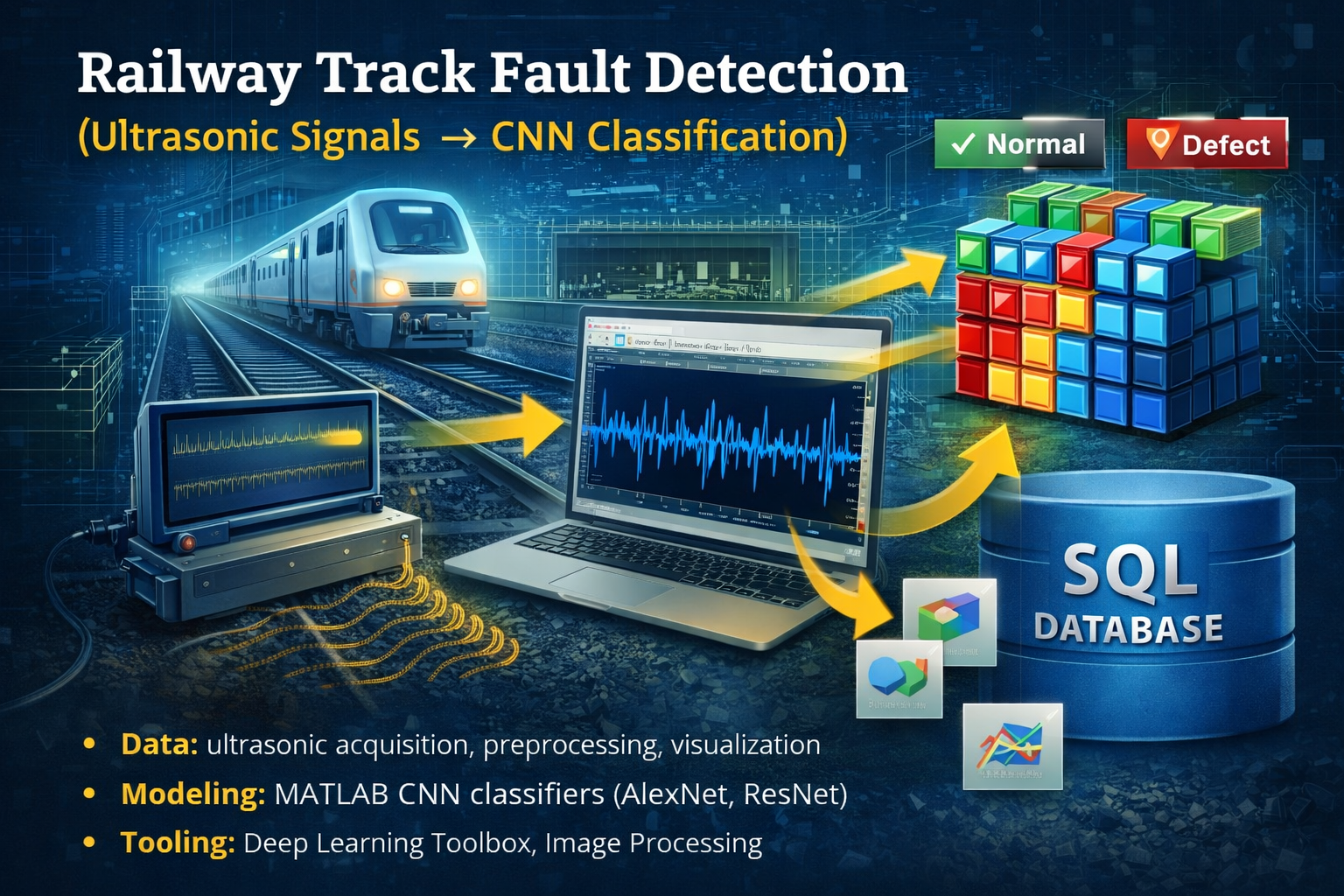
Railway Track Fault Detection (Ultrasonic Signals → CNN Classification)
Worked on an end-to-end workflow for railway fault detection using ultrasonic inspection data.
The project covered data acquisition, preprocessing and visualization to validate signal quality,
conversion of processed measurements into image representations, and training of CNN-based
classifiers for automated defect/state classification.
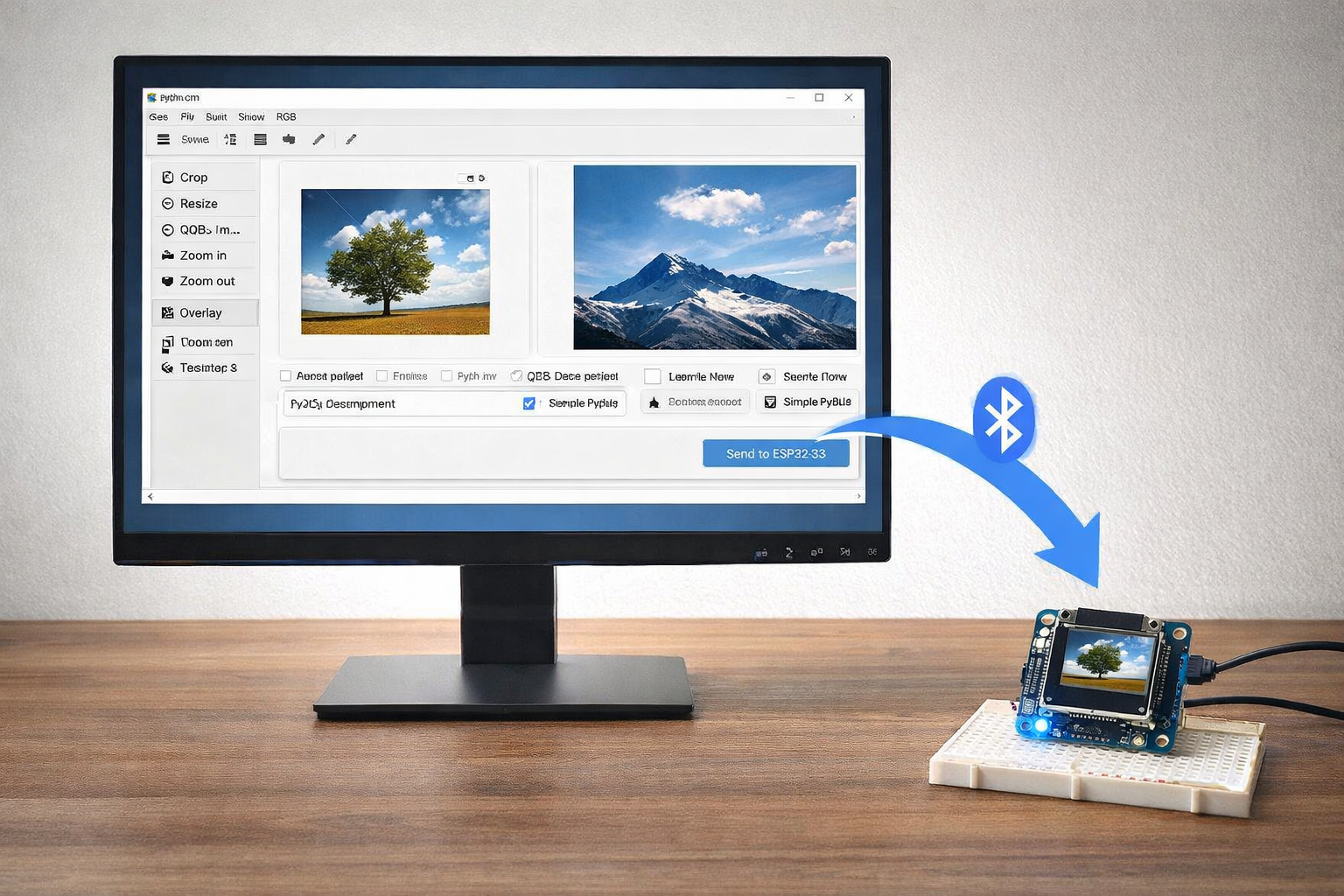
Desktop Image Editor & Bluetooth Transfer to ESP32-S3
Built a Python desktop application that loads and edits images and transmits them wirelessly
over Bluetooth to an ESP32-S3 device. The tool supports core image operations such as cropping,
resizing, RGB conversion, zooming, combining images, and overlay composition—designed for a smooth
operator workflow and reliable embedded-side transfer.
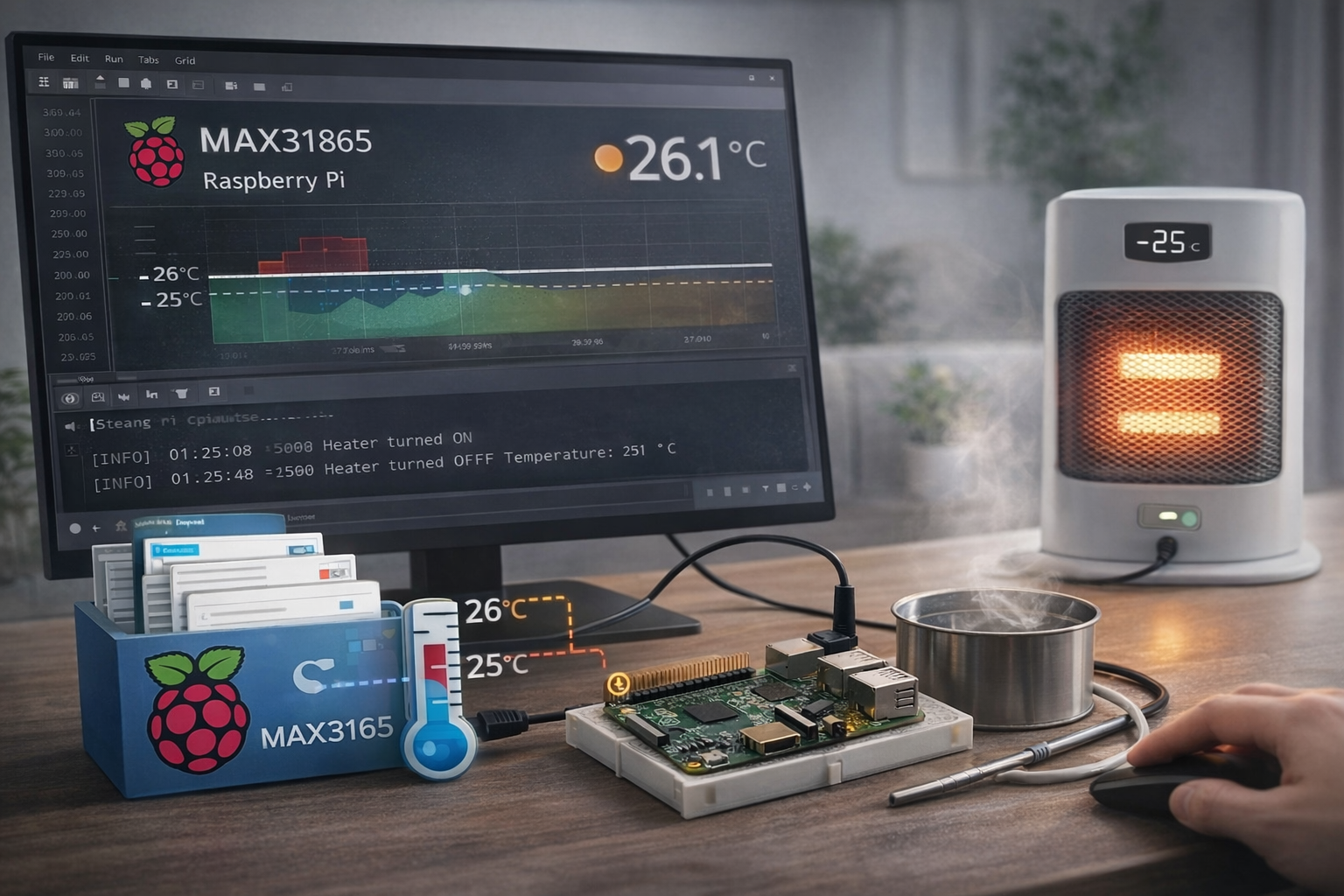
HOQA Temperature Control System (Raspberry Pi + MAX31865)
Implemented a closed-loop temperature control system using a MAX31865 RTD sensor with a Raspberry Pi.
The controller monitors temperature continuously and automatically toggles a heater using configurable
thresholds (hysteresis) to maintain a stable operating range—improving safety and preventing frequent
switching.
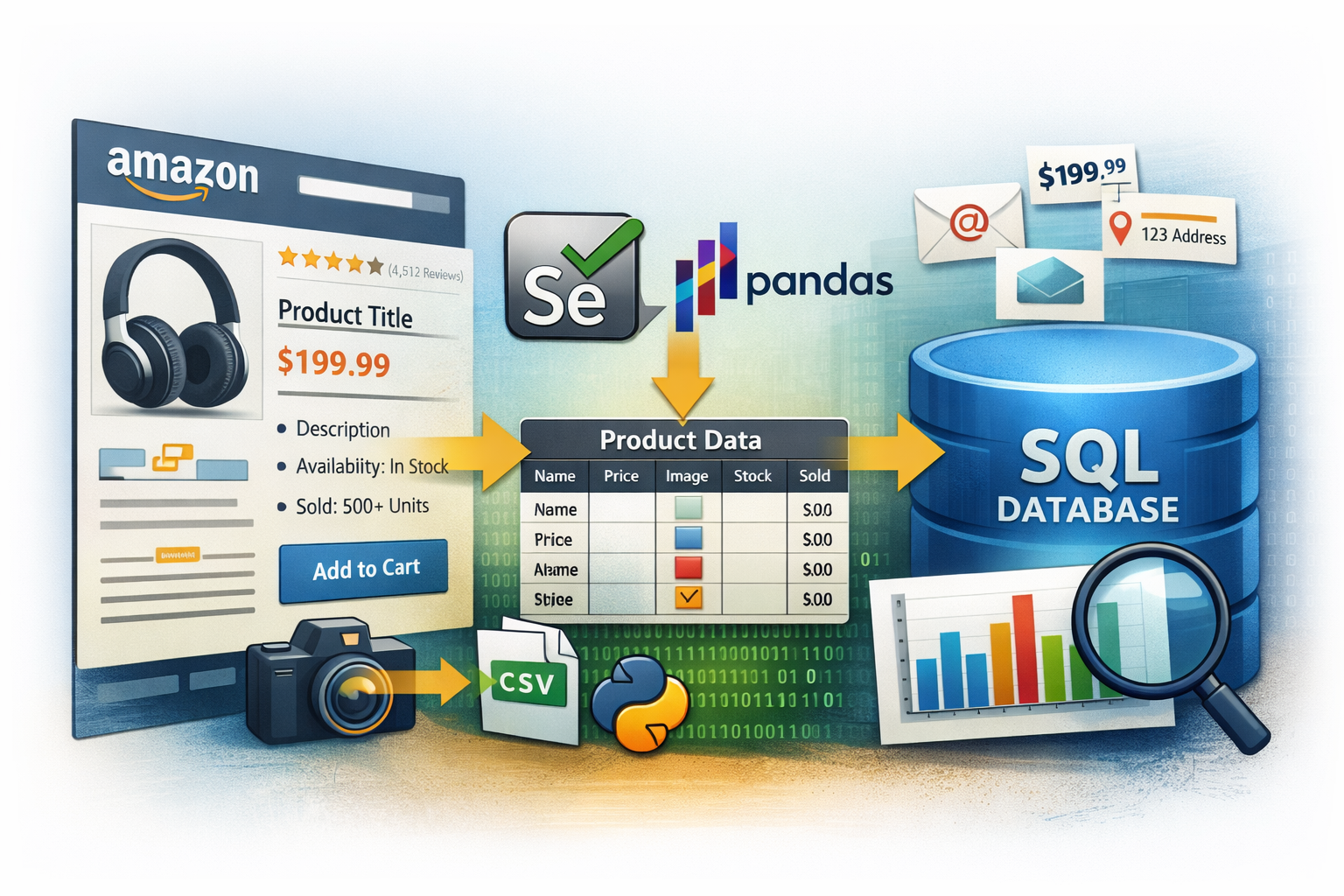
Amazon Product Data Extraction (Selenium + Pandas + SQL)
Developed a scalable web data extraction pipeline to collect structured product information from Amazon,
including product name, price, product image URL, description, availability status, and sold/stock indicators.
The workflow automates navigation and page interactions using Selenium, transforms raw HTML into clean tabular
datasets with Pandas, and stores results in a SQL database for querying and analytics.
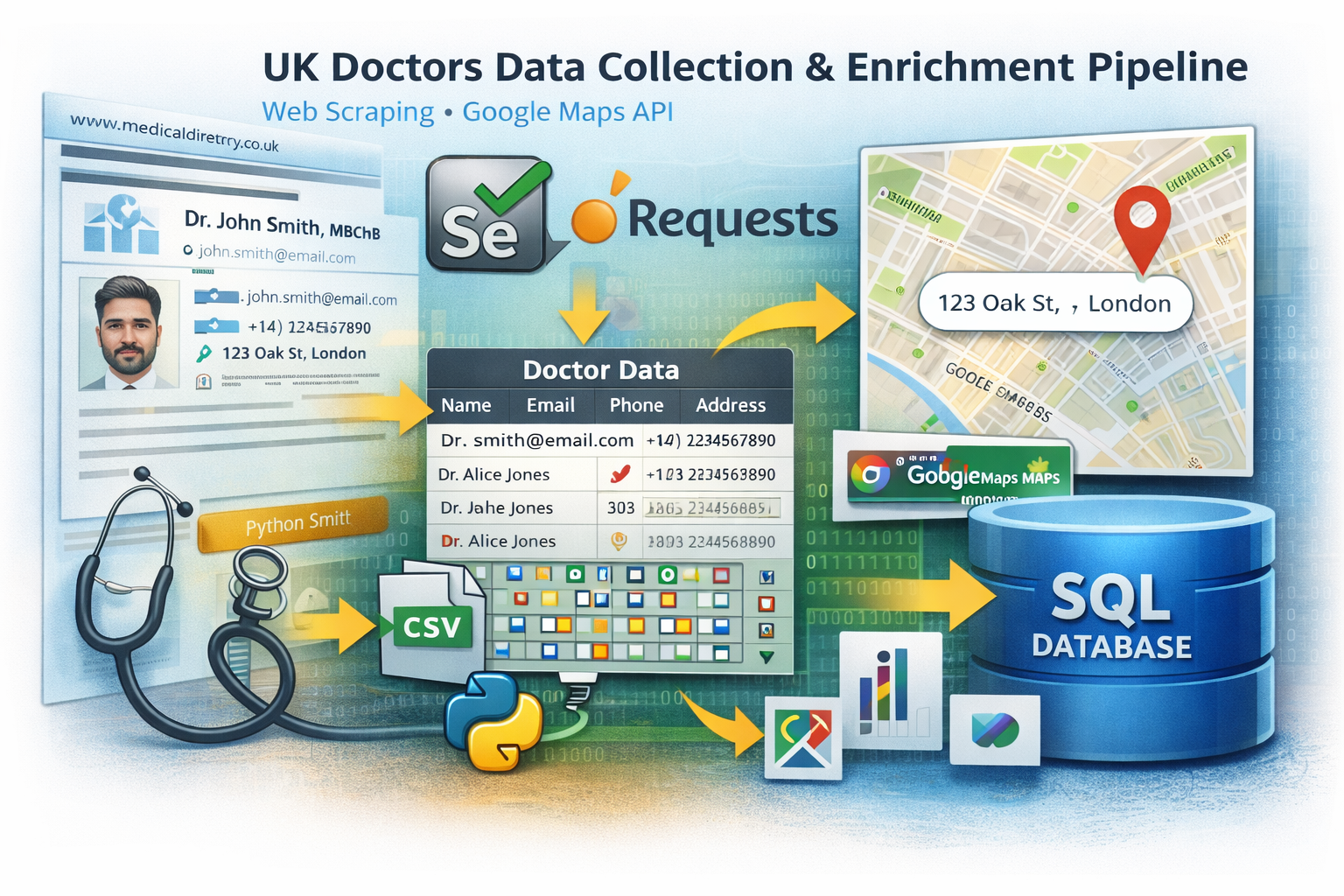
UK Doctors Data Collection & Enrichment Pipeline (Web Scraping + Google Maps API)
Built an automated data collection pipeline to aggregate UK doctor and clinic contact details from multiple
client-provided web sources. The system extracts structured fields such as email, phone number, address, and
practice information using a combination of Selenium for dynamic pages and Requests for fast HTML retrieval.
To improve data quality and standardization, the workflow enriches and validates addresses using the Google
Maps API, then exports clean datasets to CSV and stores records in a SQL database for reliable querying and updates.
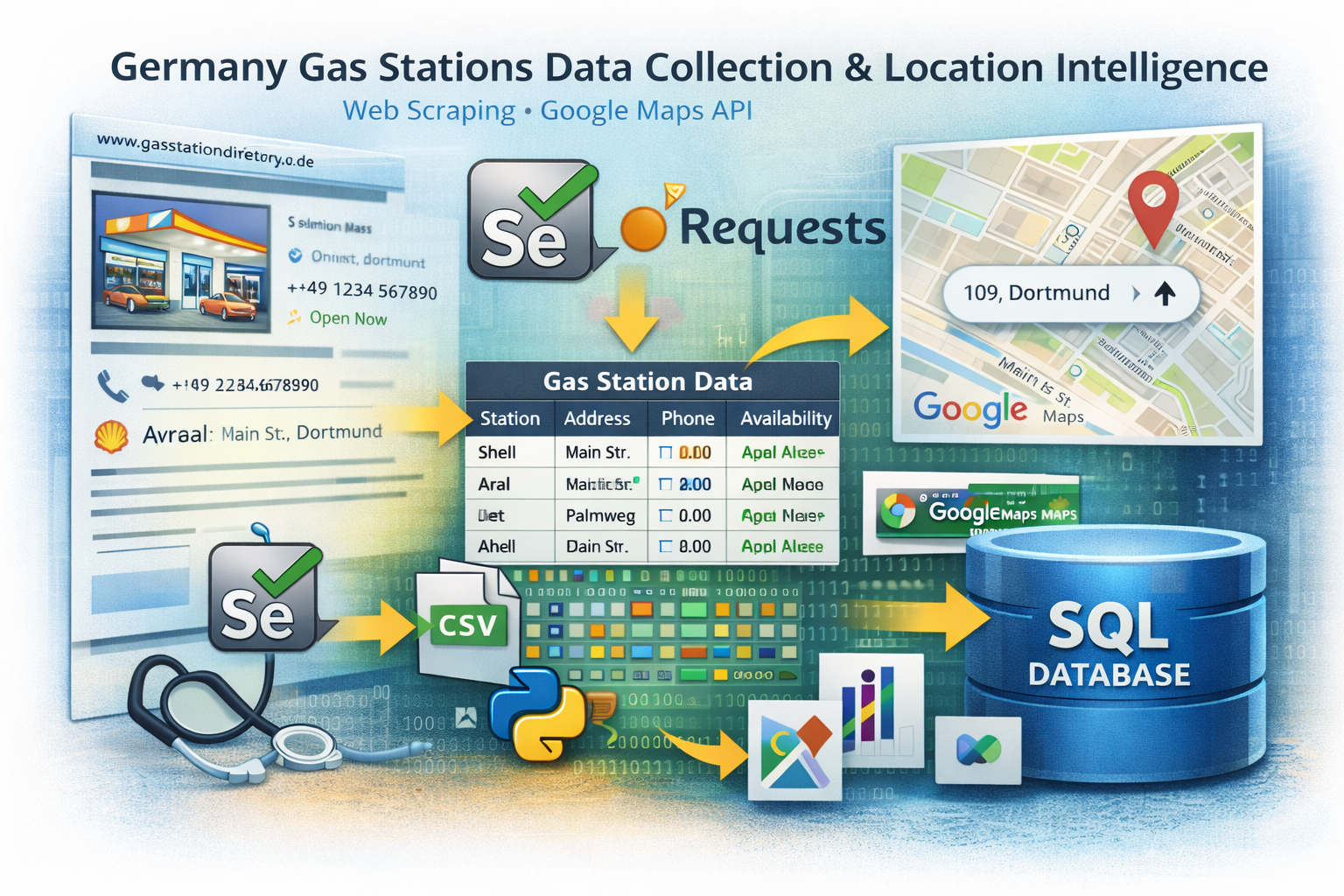
Germany Gas Stations Data Collection & Location Intelligence
Developed an automated data acquisition pipeline to collect and standardize information on gas stations
within selected cities in Germany. The system aggregates data from multiple public and commercial web sources,
extracting key attributes such as station name, address, contact details, and operational status.
Location data is enriched and validated using the Google Maps API to ensure geographic accuracy and
consistency. The processed dataset is cleaned, deduplicated, and stored in structured formats for downstream
analytics and reporting.
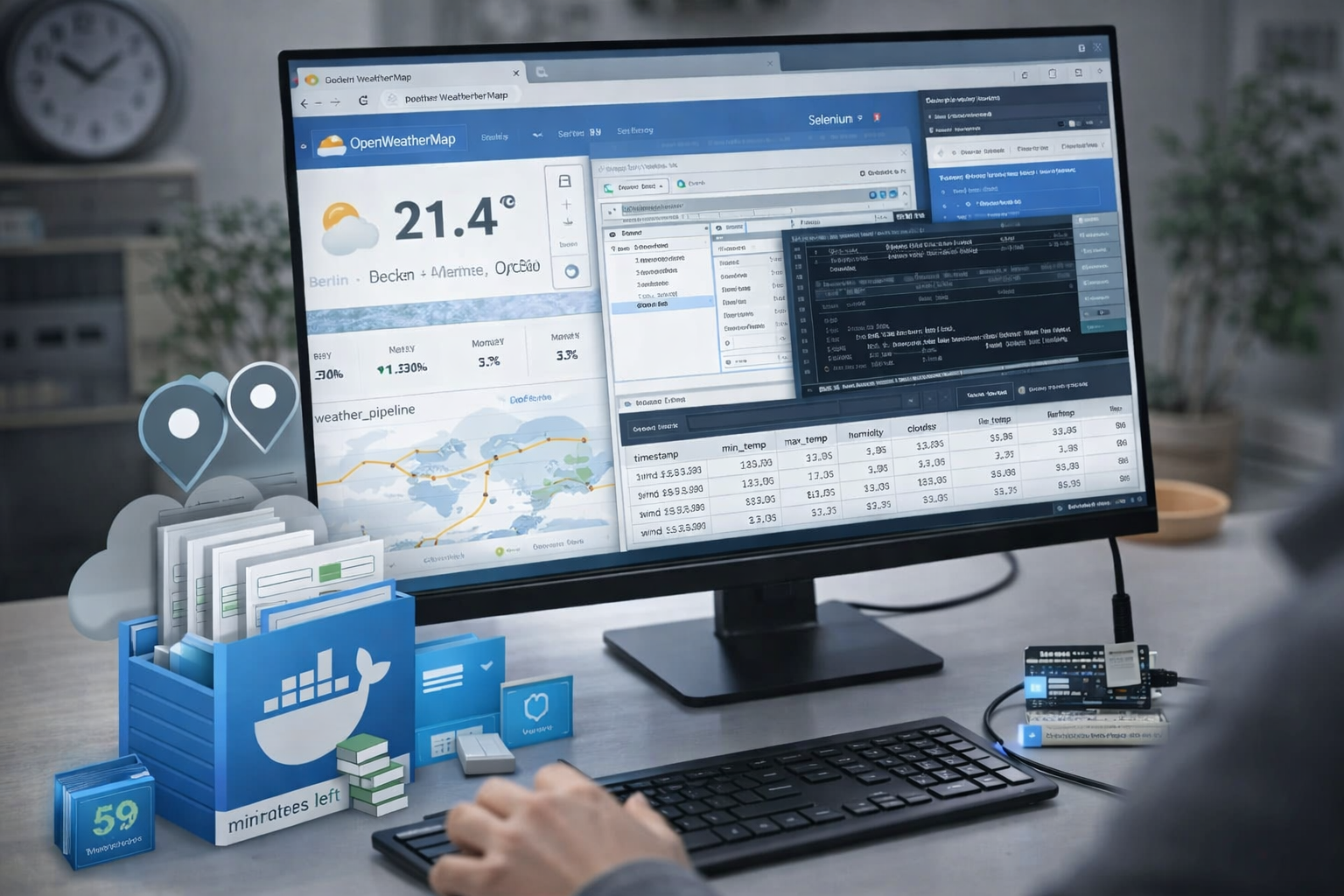
Automated Weather Data Pipeline (OpenWeatherMap + Selenium + Docker)
Developed an automated data pipeline that retrieves weather metrics (e.g., min/max temperature,
humidity, cloud coverage, wind speed) using the OpenWeatherMap API. The pipeline takes latitude
and longitude as input, resolves location context, stores results into structured CSV files, and
runs on a scheduled cycle every 60 minutes. The full workflow is containerized for portable,
reproducible deployment.

LLM-Assisted Literature Survey Automation (Face De-identification)
Designed and automated a literature survey pipeline focused on face de-identification research.
The workflow aggregates results from IEEE, ACM, and ScienceDirect, normalizes records into a unified
dataset, removes duplicates, and applies an AI-assisted filtering pipeline to rank and extract the
most relevant work. The process reduced ~8,000 papers to a shortlist of 24 highly relevant studies.